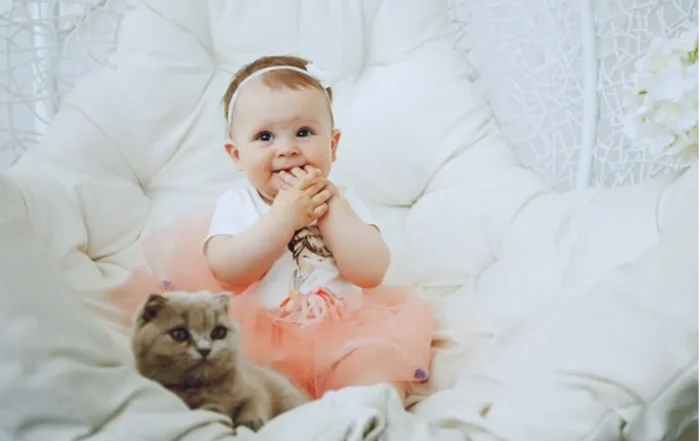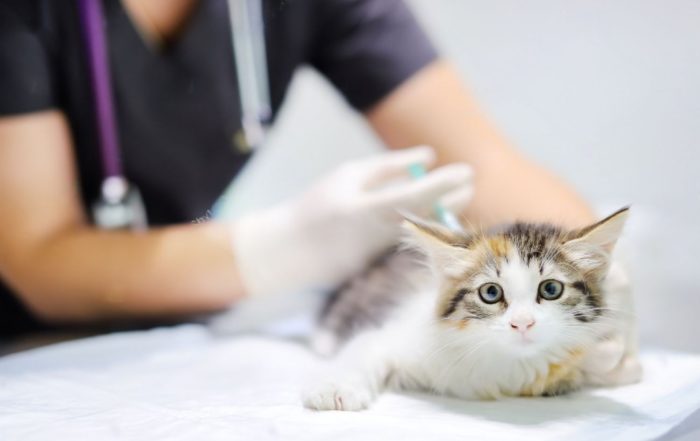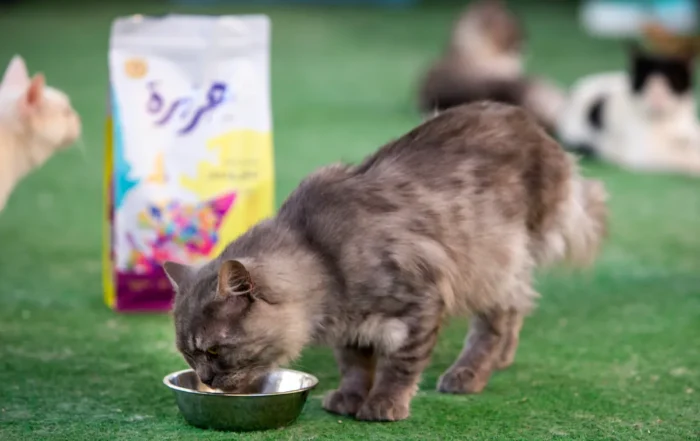

It’s something so many children ask for — and parents are often torn between saying yes or no, worried that their child might get bitten or scratched, or that the pet might be hurt, intentionally or not.
In this article, we share the best tips and practices for handling this innocent request…
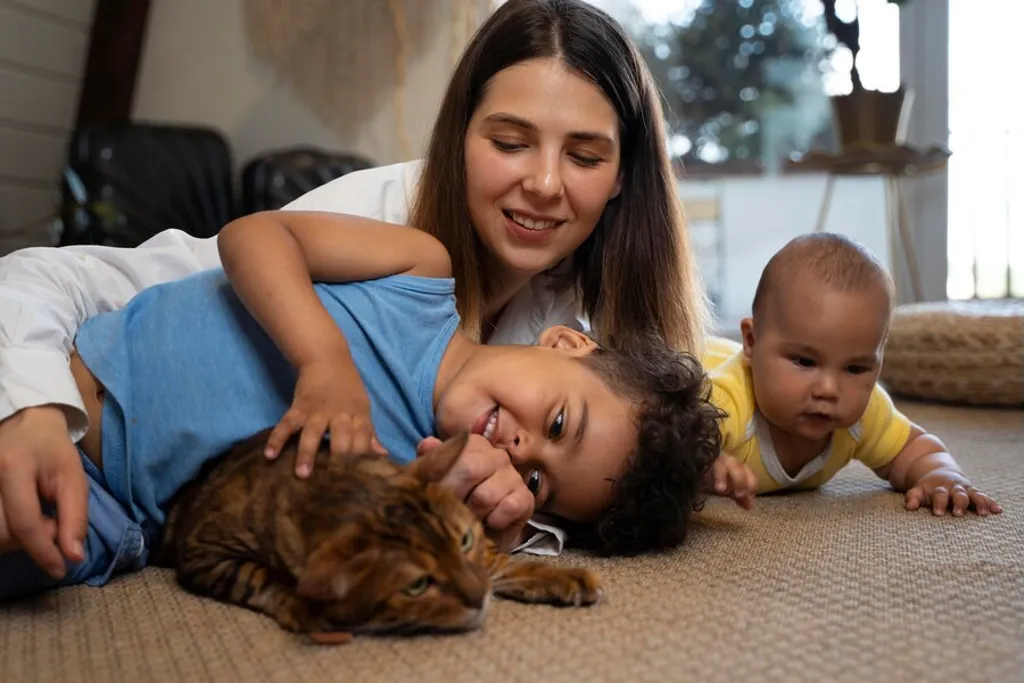
There’s no doubt that cats make a wonderful addition to a family. They’re great companions for children of all ages, and their influence goes beyond companionship — they help teach empathy, compassion and responsibility. Some cats will even form a special bond with a child.
Whether you’re thinking of adopting a kitten or want to teach your child to care for the cat you already have, we’ve covered key topics such as choosing the right cat for children and what to do if your cat is afraid of your child.
To help find an answer that works for everyone, we look at the latest research on why letting a child have a cat can be a good idea. Researchers have found that cats are among the best pets for children, because a cat can offer a manageable emotional relationship that children often don’t get with other pets such as rodents, rabbits or reptiles.
First: Why Cats Are the Best Pets for Children
It comes down to five important reasons:
1- Cats teach children good manners
Children aged one to three respond really well once they understand that the cat is small and needs them to be gentle.
Researchers note that children learn early on that a little respect and good manners are needed to make friends with a cat.
Having a pet cat has a positive effect on children, as it encourages them to be more aware of their surroundings and to learn to be careful and kind.
2- Cats teach children patience
We’re not claiming cats can work miracles, but they do offer a chance to teach children to take things slowly.
A child’s first instinct may be to chase the cat, try to catch it and give it a big, spontaneous hug.
But that approach is likely to end with a scratch (or a few).
Let the cat come to play when she’s ready and has finished exploring. Cats can be very shy when they first arrive in a new home; within a few hours they’ll usually settle in and be ready to play — but in the meantime, make sure the children don’t bother her.
3- Cats teach children responsibility
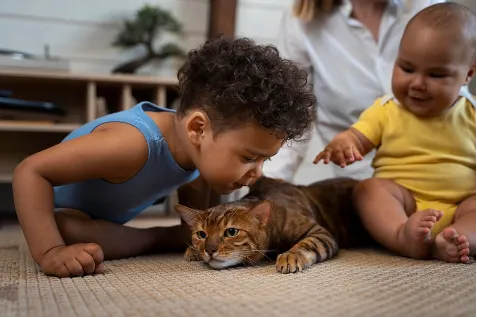 A cat can teach young children an important lesson in responsibility — and build their self-esteem through caring for another living being.
By feeding the cat every day, a child comes to understand how much this little life matters, and how important the task is.
Adult supervision is still needed, but even a three- or four-year-old can start learning what it takes to care for a pet.
Because cats can live indoors and in small spaces (like an apartment), children have a better chance to look after their pet’s main needs — food, water and the litter box.
And with a little help from a self-cleaning litter box such as the Litter-Robot, keeping on top of litter duty is much easier.
4- Most cats make wonderful companions for children
It’s natural for parents to wonder how well cats and children get along, and to worry about claws and bites, since cats love to play.
While introducing a cat to children is likely to be a positive experience, if you’re adopting a new cat, consider an older, calmer one.
Some breeds are known for their calm, gentle nature, including the Birman, British Shorthair, Persian and Ragdoll.
For older children, consider playful breeds that can be trained to fetch, walk on a leash and even play in water — such as the Abyssinian, Bengal and Egyptian Mau, among many others.
Remember, every cat is unique — these are just examples!
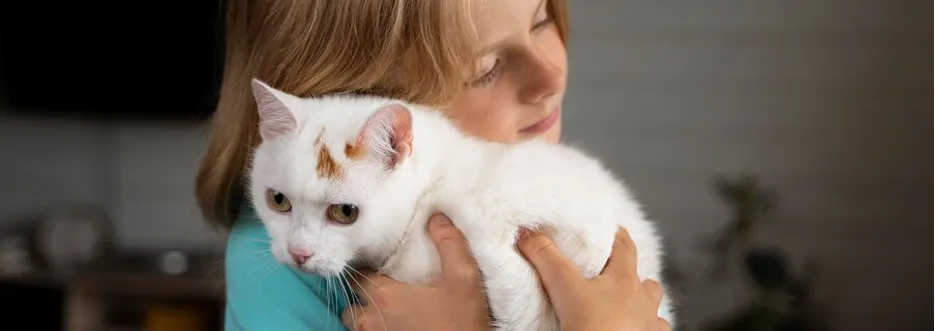
5- Cats may boost children’s immune systems
Cats don’t just encourage good behavior — they can also help you raise healthier children.
Recent studies show that having a cat at home during a baby’s first year can help strengthen the immune system, reduce respiratory infections and colds, and protect against developing allergies and asthma later in life!
We could go on about why cats are the best pets for kids — and we may be a little biased — but there’s no denying that cats have so much to offer children, in lessons about friendship and about life.